Selecting the right educational board for your child is a very important decision that every parent faces. Pan India, there are three major education boards: the Central Board of Secondary Education, the Indian Certificate of Secondary Education as well and the state boards.
All of these boards provide different perspectives on the educational process, with some benefits and drawbacks of each type of board. CBSE is known all around the country and is favored by many because of its curriculum and overall academic importance.
On the other hand, the ICSE curriculum is well-structured, and based on an in-depth study of subjects to foster positive learners’ attitudes toward their work. State Boards are localized institutions that often use local language and are comparatively cheaper than central ones. However, the cheapest is not always the best. Hence,
this article will give you a clear picture and will assist you in choosing the most appropriate board depending on your child’s needs and aspirations.
Understanding the Boards
CBSE (Central Board of Secondary Education):
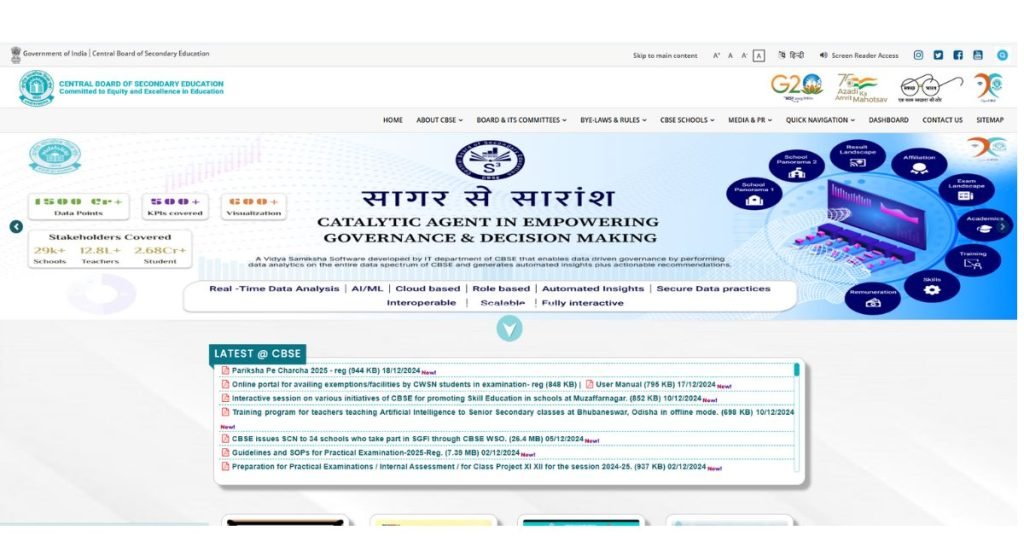
The CBSE is known to be one of the leading education boards in the country that follows the education system in several states of India. It is ideal for many students due to its key thrust of producing students to sit national-level examinations such as JEE (Joint Engineering Entrance) and NEET (National Entrance Test) for medical examination. These schools follow a curriculum that helps children understand the basics of all the required subjects necessary for their development. Since it focuses on bridging learning gaps, many schools in the country adopt the CBSE model.
Core features of the CBSE Board
National Recognition: CBSE is one of the largest and most recognized educational boards in India as well as in other foreign countries. This implies that in case you have a dream of transferring to another city or even to another country, the curriculum offered by CBSE will be recognized with ease. Most schools today are aware of CBSE hence making it easy for students to pursue their studies in other schools in different regions.
Focus on Core Subjects: Science, Mathematics, and English are particularly represented in the CBSE system. That is why it is appropriate for your child if he/she is interested in Physics, Chemistry, Biology, or Mathematics – or if he/she is preparing for JEE or NEET. The curriculum prepares a strong foundation in these core areas and students may opt to write competitive exams in the future with ease.
Simplified Exam Pattern: The format of examination in CBSE is so planned that there are questions related to the topic knowledge and questions based on the application of the topic concepts. Like most Indian Boards, CBSE exams also generally comprise MCQ (multiple choice questions) and short-answer questions that test the knowledge and the concept-clearing ability of the students. One of the advantages that seem to come with this kind of examination format is that such examination is easy for students who understand examination in a structured and methodical manner.
ICSE (Indian Certificate of Secondary Education):
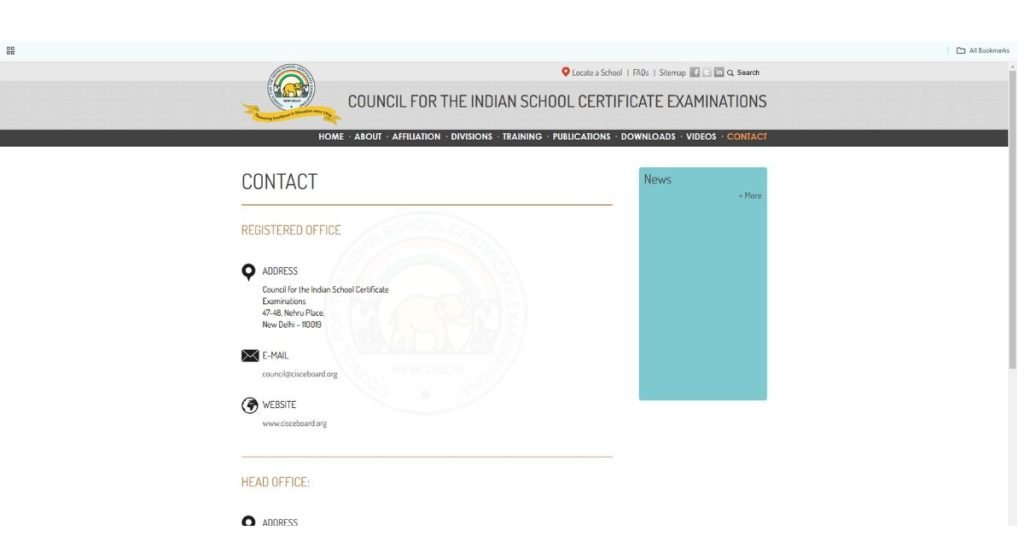
The ICSE board is also international, and the course of study is larger, more complex, and more balanced than CBSE. This is because it specializes in topic areas of study, especially for those in languages, arts, and sciences. ICSE exams are far more bookish than the CBSE exams, and they build a well yet complex structure for the student’s knowledge of the subject.
Core features of the ICSE Board
Detailed and Comprehensive Curriculum: ICSE operates under a much broader syllabus than CBSE does, which offers far more information on different topics. This means that students have to cultivate their knowledge of more subjects, and also study them in detail. The program of instruction provides a rich understanding of all of the subjects, which are humanities, sciences, and language. So it will be perfect for those students who like studying a lot and who want to face quite an academic challenge.
Balanced Emphasis on All Subjects: While CBSE provides more importance to Science & Mathematics then the ICSE board offers equal importance to all subjects. It provides equal status to language and communication, including English, art, and social sciences.
Higher Difficulty Level: CBSE exams are easier than the ICSE tests because the former tests are comparatively easier. They usually cover more material and are very oriented toward checking how much a particular student knows about the subjects. On the other hand, ICSE exams usually involve items such as essays, comparative passages, and any other question type that would generate a long and detailed response. But this can be quite difficult and at the same time, it makes the students cultivate good analytical and writing skills.
International Recognition: The ICSE is recognized educationally not only in India but also in other countries. The ICSE board has been much appreciated in other countries, especially in English-speaking countries such as the United Kingdom, the United States of America, and Canada since the syllabus is deemed to prepare the students for tertiary institutions in those countries. Thus, when your child is deciding on going abroad for his studies, having an ICSE qualification, can prove to be advantageous.
State Board:
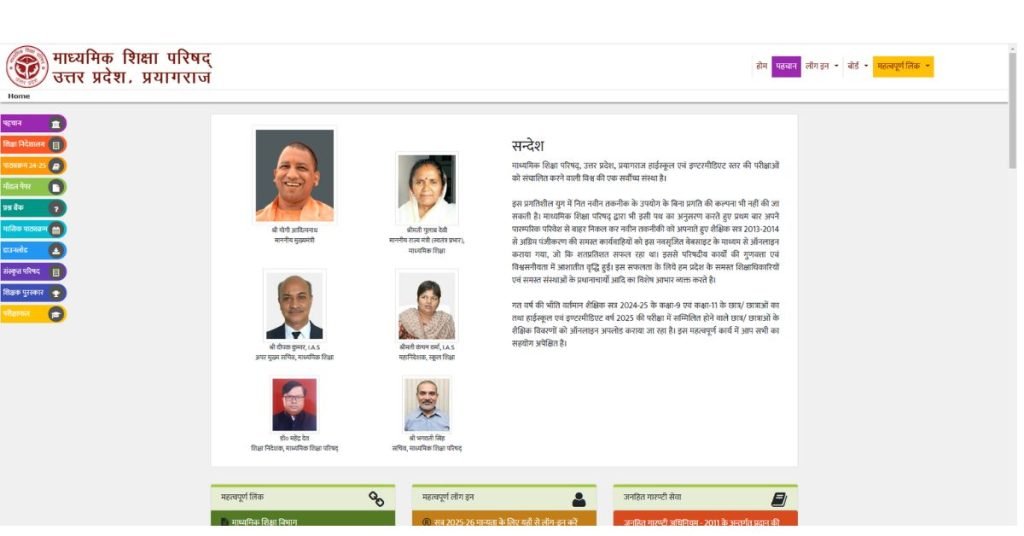
The State Board means education boards run by separate state Governments. Of course, there are slight differences when it comes to syllabus and curriculum as they differ from one state to another. Despite these, state boards offer education in the local language and provide it to the students of the respective states.
Core features of the State Board
Localized Curriculum: State boards lay much emphasis on the regional language, culture, history, etc. Some of the topics herein can be specific to a region or area of the country and these include literature, geography,, and history. This gives an edge to the student or the opportunity for direct association with whatever they are being taught, in other words, they can easily identify with their surroundings. The regional concentration enables students to comprehend the culture and the history of the state creating the spirit of community and belonging.
Affordable Education: Board schools on average will cost you significantly less than CBSE or ICSE schools. In terms of costs, state board schools are comparatively cheaper in terms of fees for tuition and other expenses to be incurred. This affordability may be a major selling point to parents who are in search of an inexpensive education for their children.
Check TISA Fee Strucutre
Region-Specific Focus: The state board’s school curriculum is specific to the state and students’ needs. This includes learning the regional language, which benefits students who want to be educated in their fluency and preferred regional language. It can also enable students to master the local language to a high level, which is an added advantage in career issues in the local job market.
Conclusion
Therefore, parents must take into consideration the child’s needs, achievements, passion, and goals in determining the education board to join.
So consulting with the child, proper discussion, and analysis on advantages and disadvantages of CBSE, ICSE, and state boards will make the right decision that shall benefit the child in their growth as well as goal.